Call Us
Email address
Address location
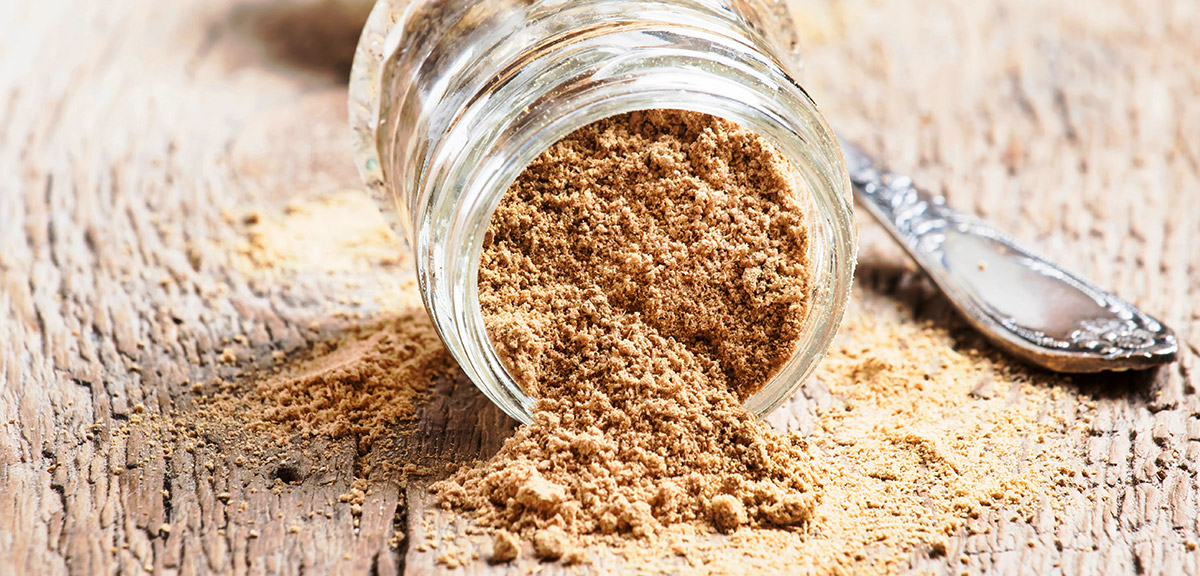
An insect drying plant makes it possible to produce the raw material needed to create insect flour. Widely debated in recent years, insect flour is now a product regularly consumed by nearly 2 billion people. Entomophagy — the proper term for insect consumption — is a common practice in many countries around the world.
Thanks to their nutrients, dried insects represent an essential food resource for both humans and animals. Characterized by a high protein content, they are rich in vitamins and minerals while being low in fat. To achieve excellence in both taste and quality, dried insects undergo a responsible drying process through slow dehydration that preserves all of their nutritional properties.
In this article, we will examine how edible insect drying plants work, their advantages, and the main uses and properties of dried insects processed into flour.
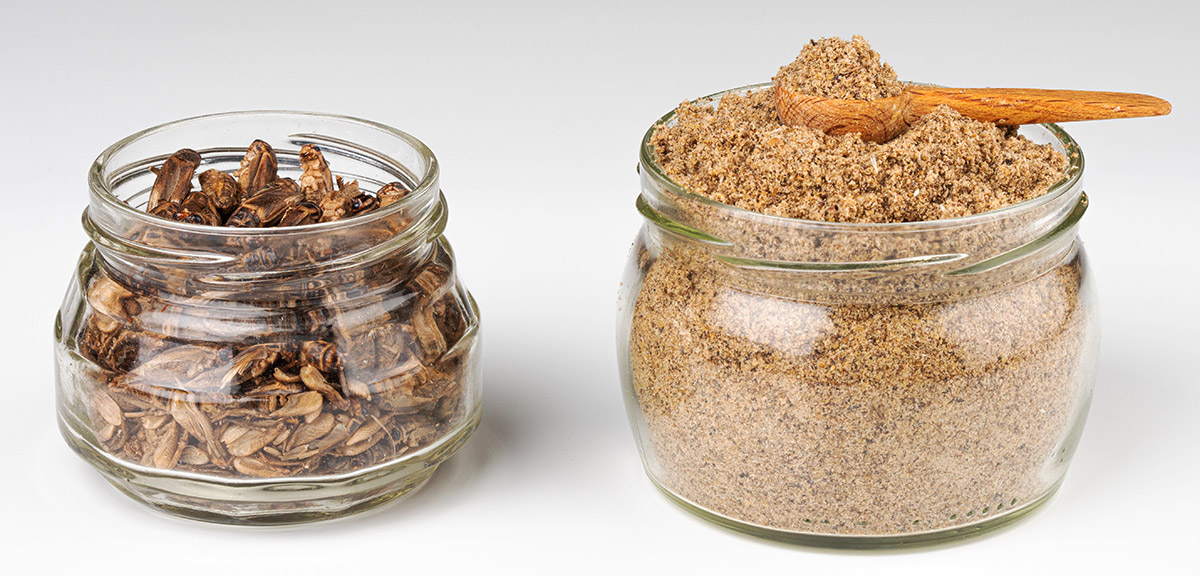
Insects increase their nutritional value through transformation into powder. In this transformation process, drying is a fundamental step.
For insect drying, RP Engineering manufactures various types of dryers: drum dryers, microwave dryers, and hot air circulation dryers.
The operating principle of these systems is the uniform distribution of heat, allowing insects to be dried while preserving all their properties, making them a nutritious, long-lasting, and easy-to-store food source.
In RP Engineering belt dryers, the airflow moves from top to bottom and passes through the material. To obtain a high-quality final product, drying takes place slowly.
The insect drying machines designed and manufactured by RP Engineering are the result of cutting-edge technologies and innovations developed to deliver exceptional results.
Here are all the advantages they guarantee.
There are various types of insect drying machines available in different sizes and power capacities to meet a wide range of production needs.
We must start from the assumption that it is no longer possible to meet the global population’s protein demand through conventional animal protein sources without causing environmental damage.
It is therefore urgent to find sustainable alternatives.
The use of insects in human nutrition undoubtedly represents a sustainable choice for producing high-quality protein while respecting the environment.
Considering both nutritional and economic data, it is important to emphasize that insects:
Considering all these properties, from an environmental perspective this translates into:
Furthermore, insects also represent a sustainable alternative for animal feed, creating the possibility of generating a sustainable circular economy within an interconnected, waste-free system.
Insects can ensure the global protein supply with zero climate impact.
This is why, thanks to all these characteristics, insect flour is considered an extremely beneficial superfood.
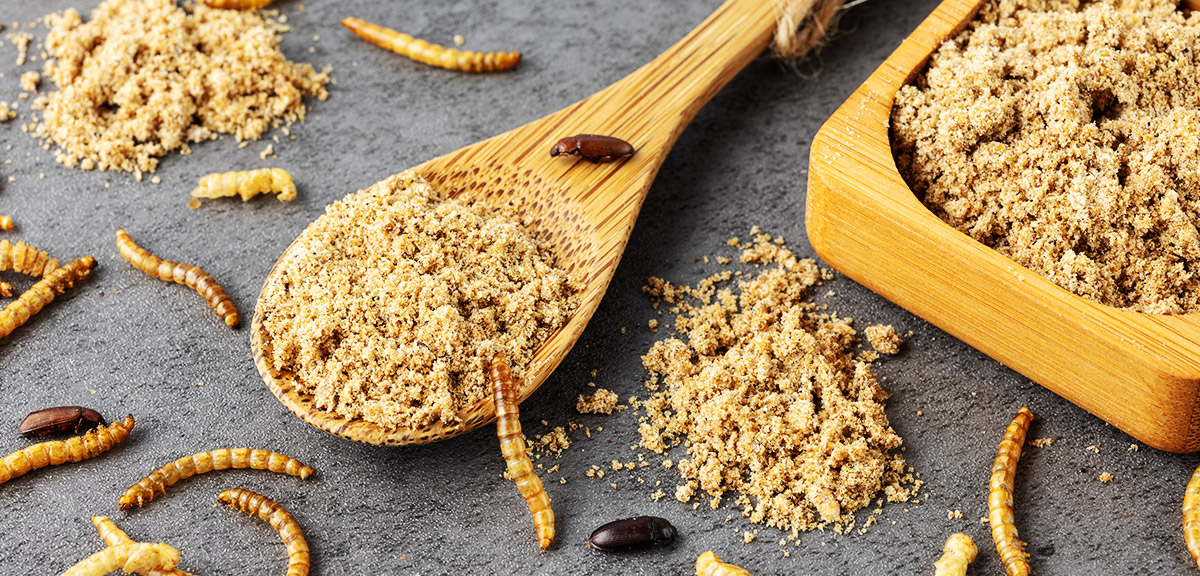
Many different types of insects are dried. The most common are:
All foods — and their related ingredients and contents — that have not been commercially marketed for at least 25 years must be approved by EFSA, the European Food Safety Authority.
In Europe, insect consumption is regulated under “Novel Food” legislation. To date, the insects approved and authorized for sale as food (whole, ground, and powdered within various food products such as biscuits, pasta, and protein products) are:
As mentioned from the beginning, insect flours are rich in excellent nutritional properties. Specifically, they are highly protein-rich. Cricket powder, in particular, contains excellent amounts of protein, perfectly balanced with vitamins, mineral salts, dietary fiber, monounsaturated fats, and micronutrients beneficial to the body.
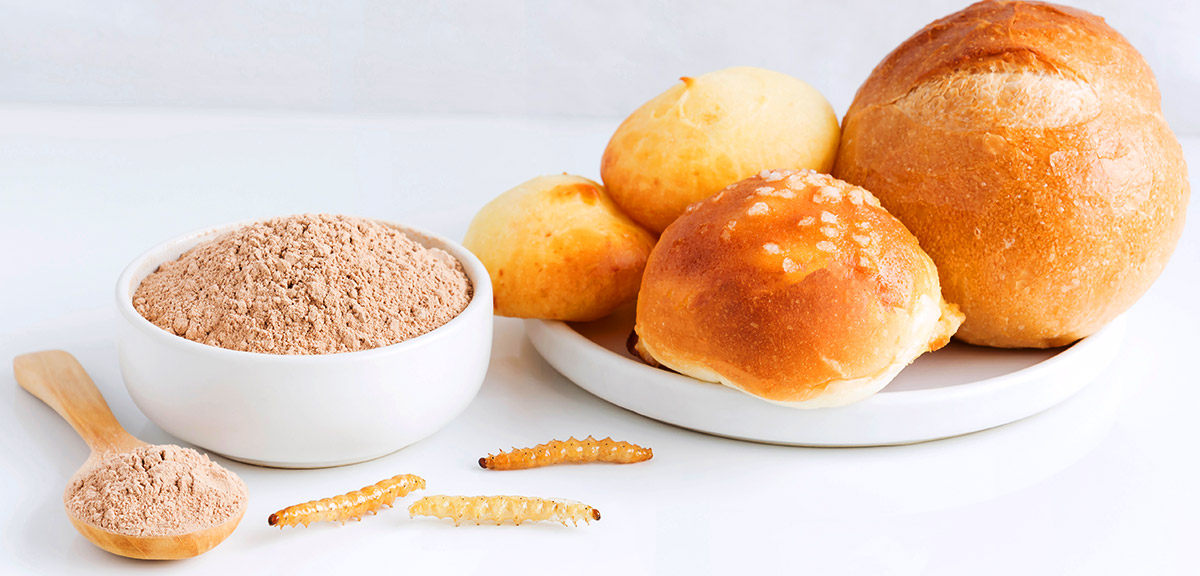
Cricket flour has a delicate flavor and can be used in a wide variety of recipes to add a protein source. You can add 1 or 2 tablespoons of cricket flour (or other insect flour) to many preparations. Let your creativity run free in the kitchen and experiment with different combinations and new recipes!
To get started, here are some ideas:
In addition to human nutrition, insect flour is also very useful for pet food, especially for aquarium fish and terrarium turtles.

As you have probably understood, dried insects represent a practical, high-quality nutritional solution with full respect for the environment.
RP Engineering is a company specialized in the design, construction, and installation of drying systems for various materials. If you own an insect farm or want to start a business producing flours, powders, and products derived from dried insects, and you want to install an insect drying plant, contact RP Engineering by filling out the dedicated contact form.
With over 25 years of experience, we design and manufacture modular machines that use low-temperature thermal energy.
RP Engineering stands out for designing customized solutions by studying and creating machinery suitable for the customer’s production line and logistics. Thanks to its “turnkey” service, RP Engineering provides clients with a team of professional technicians offering pre-sales and after-sales assistance.