
RP Engineering

come si produce il pellet

How Pellets Are Produced: The Various Stages of the Production Process

Pellets are a natural and eco-friendly fuel produced from wood waste. Through a specific processing method, waste materials from industrial wood processing are transformed into small compressed cylinders used in heating stoves for domestic heating, as well as in large industrial thermal systems. Nowadays, pellets represent the most effective, eco-friendly, and economical type of fuel. The demand for pellets and pellet stoves is constantly growing. Producing pellets is therefore an excellent investment opportunity to consider. For more than 25 years, RP Engineering has specialized in the design, construction, and installation of industrial systems for drying wood waste for pellet production.
In this article, we will explain how pellets are produced.

Pellet: What It Is, What It Is Used For, and How It Is Produced

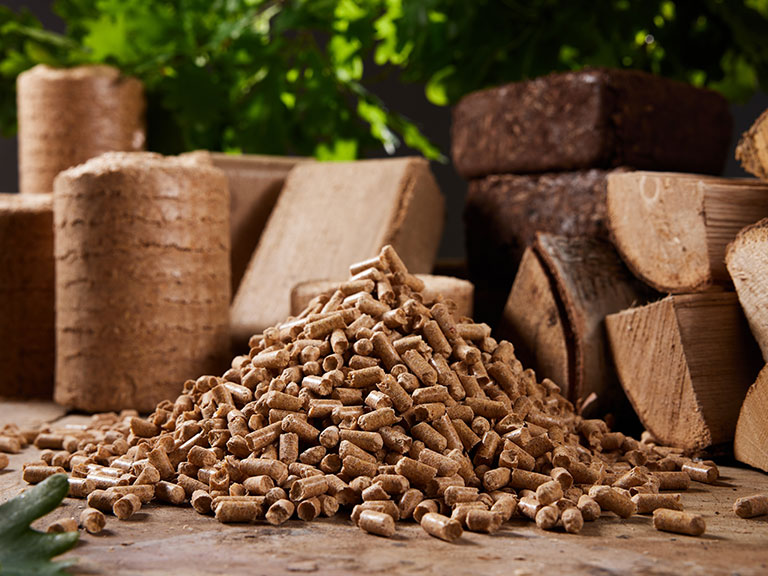
Pellets are an eco-friendly fuel used to generate heat. They are industrially produced through a compression process applied to wood processing waste (wood chips, shavings, sawdust, etc.).

Sold in practical bags, pellets come in the form of small cylinders approximately 3 centimeters long and 1 centimeter in diameter.

They have a very high heating value (up to 4,400 Kcal/h per Kg compared to 2,500 Kcal/h per Kg for firewood). For this reason, they are increasingly used for heating, both in domestic and residential settings, as well as in large boilers and thermal power plant systems.

How Pellets Are Produced

Pellets are made from ground and compressed wood. Specific machinery is required for this type of processing. RP Engineering specializes in the design and construction of industrial systems for the drying and thermal treatment of wood chips, sawdust, and biomass for pellet production.

The process begins with wood processing waste (wood shavings, sawdust, etc.) generated by transformation processes in carpentries, sawmills, and wood industries. These waste materials are recovered and transformed into a useful and valuable resource. First, the wood material is dried to reduce moisture content below 10%. It is then compressed under high pressure using dedicated machinery. This is how the compressed cylinders are created.

The Stages of Pellet Production

Let us now analyze in detail all the stages of the pellet production process.

  • Raw material sourcing
  • Shredding
  • Drying
  • Grinding
  • Pelletizing
  • Storage
  •  
cippato di legno

Raw Material Sourcing

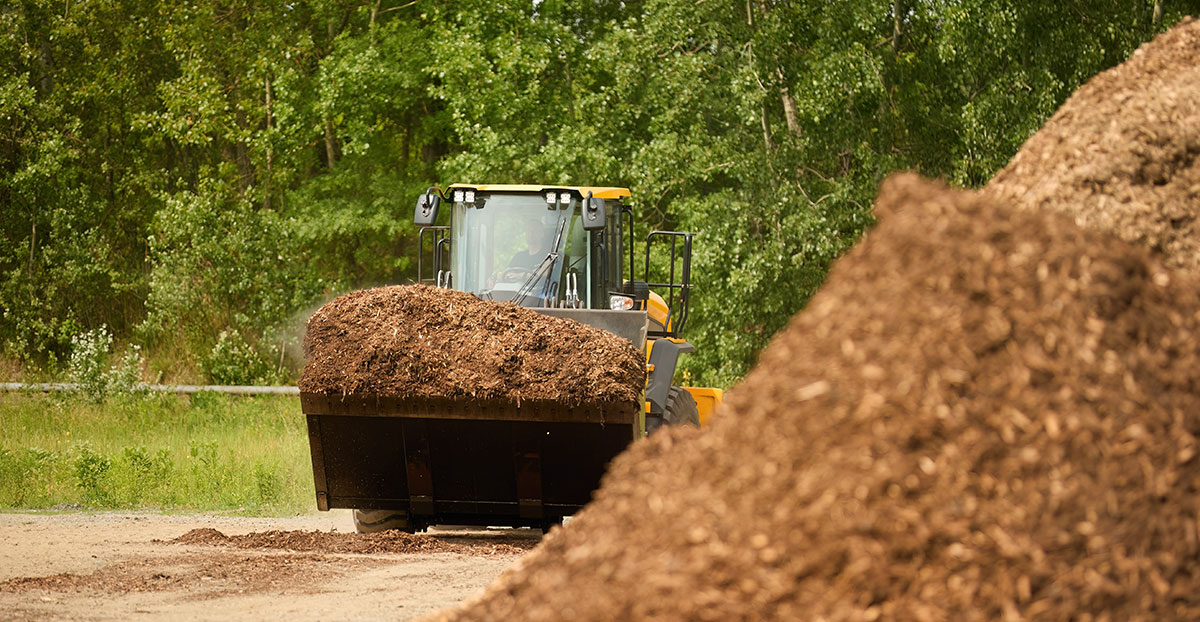
The first stage of the pellet production process begins with sourcing the material used to produce the pellets. The raw material mainly consists of wood processing waste derived from industrial activities (sawmills, furniture manufacturers, carpentries, etc.) and gardening activities (such as pruning waste).

Shredding the Raw Material

To produce pellets, the raw material must be shredded until it reaches dimensions of approximately 10 mm. The wood used to make pellets can be of various types and origins.

Drying

The production process continues with drying, using drum or belt dryers. The raw material must be deprived of excess moisture. By passing through a dryer, water is removed so that the moisture content drops to around 10% (not exceeding 15%). Achieving the correct moisture level is essential because, if the material is too dry, the pellet cylinders will be too short and will produce dust.

Grinding

At this stage, the material is ground into small, uniform, and homogeneous particles. The shredded material is then transported into a mixer, where it is filtered to remove the fine dust generated during the production process and moistened with water in order to obtain a mixture that is then sent to the pelletizer.

Pelletizing

The final stage of the pellet production process is the so-called pelletizing phase.
The mixture is moved by conveyor belts and fed into the rotating die. During the movement phase, the friction created between the machine walls and the mixture heats the mixture itself. Under the action of heat and pressure, the lignin naturally present in the wood binds the wood particles together without the need for any type of adhesive.
While being compressed by the rollers, the material is pushed outward and forced through the holes in the die, forming small cylinders that are cut by blades rotating together with the die. The pellet cylinders are between 1 and 5 cm long and have a diameter between 0.4 and 1 cm.

Storage

Once formed, the pellet cylinders are first filtered to remove any finer particles, after which they are stored in a cool place, inside containment tanks or silos, while waiting to harden before packaging and delivery. Pellets are packaged in bags of various capacities or transported in bulk by truck or other suitable means of transportation.

RP Engineering | Design of Industrial Drying Systems for Pellet Production

Does your business produce large quantities of wood waste? Transform your waste into pellets, an eco-friendly fuel that is increasingly in demand.

Producing pellets is a highly convenient opportunity.

RP Engineering is a company specialized in the design, construction, and installation of industrial systems for drying wood waste for pellet production. With over 25 years of experience, it serves clients all over the world by offering customized solutions.

If you are considering installing an industrial drying system for pellet production, contact RP Engineering by filling out the dedicated contact form. Experienced professionals will contact you to understand your needs and propose the most suitable and cost-effective solutions for you.

The systems produced by RP Engineering are based on standard models that are customized each time according to the specific requirements of individual customers. All machinery produced by RP Engineering is entirely “Made in Italy”. Manufactured within RP Engineering’s facilities, they guarantee quality and reliability.

RP Engineering’s service is provided on a “turnkey” basis. In fact, the design, construction, and installation service for customized drying systems is complemented by pre-sales and after-sales support services.

Read our latest news
Woody Biomass Drying Plants: Types and Operation
Woody Biomass Drying Plants: Types and Operation Woody biomass drying plants are machines designed and developed to dry wood-based materials using low-temperature thermal sources. These systems make...
Woody Biomass: What You Need to Know About This Important Renewable Energy Source
Woody Biomass: What You Need to Know About This Important Renewable Energy Source The dryers designed and manufactured by RP Engineering are suitable for drying a wide range of materials of various...
Storage System Design: Tanks and Silos
Storage System Design: Tanks and Silos RP Engineering specialises in the construction of industrial drying plants. In particular, the company focuses on the design, manufacturing, and installation of...
57