
RP Engineering

scarti della lavorazione del legno

Recovery of Wood Processing Waste

From carpentries to sawmills, many companies produce wood waste as a result of their manufacturing processes. Cutting timber generates wood shavings and sawdust. Recovering this waste fully aligns with the principles of the circular economy. One of the various possibilities for recovering wood processing waste is certainly drying, through which pellets can be produced — an efficient and economical fuel considered a renewable energy source.

Recovering wood waste is essential because, if not recycled and reused, the waste produced by sawmills, carpentries, and companies processing large quantities of timber becomes a serious ecological disposal problem.

What Is Sawdust

One of the most common wood processing waste materials is sawdust — a material composed of very small and fine wood particles. Sawdust is a wood by-product obtained through processes such as planing and carving.
There are many industrial sectors that generate sawdust as waste: carpentry, the wood industry, joinery, furniture manufacturing, artisan workshops, etc.
Since it is derived from wood, sawdust is plant-based and, as such, a sustainable material.

cippato di legno

How to Dispose of Sawdust

In Italy, sawdust disposal is regulated by a series of laws and regulations aimed at ensuring proper and sustainable waste treatment in order to protect the environment and public health. If not managed responsibly and sustainably, this material can represent a potential fire hazard, with consequent negative environmental impacts.

Sawdust is classified as wood waste. As such, it is subject to the rules established by the Environmental Code.

Thanks to its sustainable nature and biodegradability, sawdust can be reused in various applications, making it an eco-friendly solution for promoting the circular economy.

In addition to being a moral obligation toward the environment, proper waste disposal (and specifically sawdust disposal) is also a legal obligation, enforceable by law and punishable with fines and penalties.

CER Code

When disposing of sawdust, it is necessary to assign the correct CER code related to the waste classification and registration process. This is essential for tracking the waste produced and ensuring that it is managed correctly and in compliance with environmental regulations.

The CER code for wood sawdust is 03 01 04.

Sawdust is classified within the category of untreated, unpainted wood waste not contaminated by hazardous chemical substances, different from specific processing waste such as that defined under code 03 01 03.

How to Reuse Sawdust and Wood Waste

There are various ways to recover sawdust, ranging from direct reuse to processing it into new products or applications. Here are some examples:

  • Absorbent material used in the cleaning sector for handling and managing liquid and oil spills
  • Organic compost, used to fertilize soil and improve the quality of agricultural land, promoting healthy plant growth while minimizing the use of chemical fertilizers
  • Insulating material in the construction industry

Recovering Wood Processing Waste as Fuel

Artificial wood drying makes it possible to transform wood processing waste into useful fuel for domestic boilers as well as industrial thermal systems.
RP Engineering specializes in the design, construction, and installation of industrial systems for the drying and thermal treatment of sawdust, wood chips, biomass, and other materials for pellet production.

Drying Wood: A Step Toward Sustainability

Wood drying makes it possible to convert sawdust and other wood waste into a renewable energy source. It therefore plays a key role in promoting wood recycling and, more generally, represents an important step toward sustainability in order to preserve the environment in which we live and that we will leave to future generations.

Moreover, wood drying is already a sustainable practice in itself because it:

  • Reduces drying times compared to natural drying processes
  • Decreases weight and volume during transportation of the final product

The Dryers Designed and Built by RP Engineering for Pellet Production

Over more than 25 years, RP Engineering has designed and installed thousands of systems worldwide, offering clients small and medium-sized dryers that are easy to use and highly automated. Production is based on standard models that are then customized to adapt to the specific needs of each client.

Main Types of Dryers

RP Engineering designs and manufactures various types of dryers:

  • Belt dryers
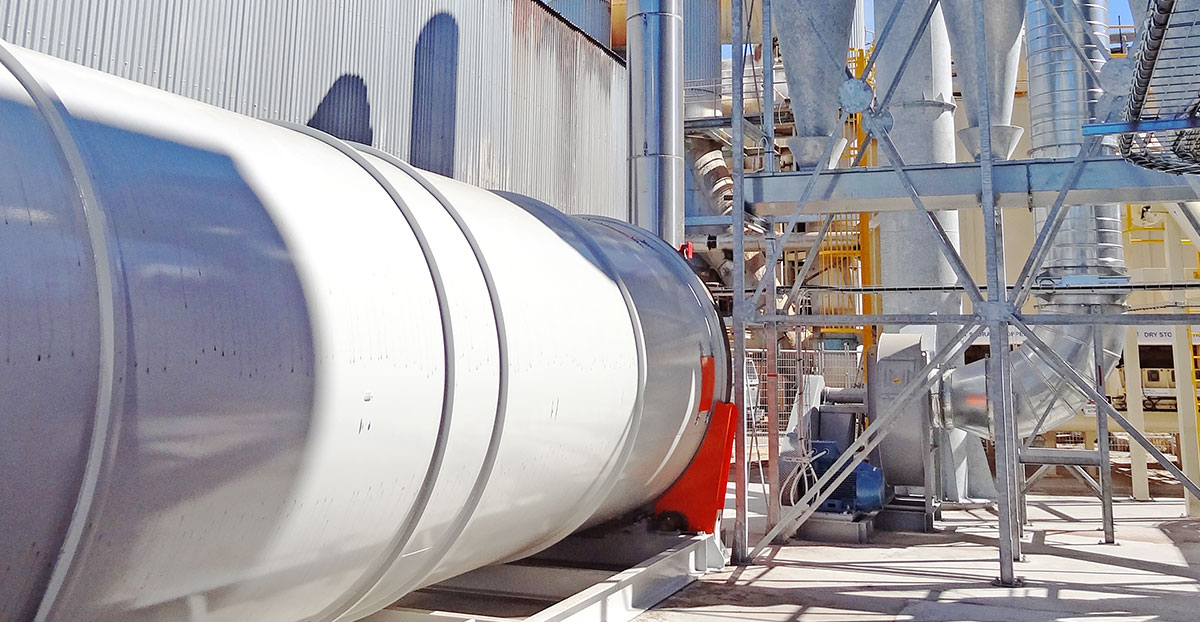
  • Triple-pass rotary drum dryers
  • Flash dryers

The dryers manufactured by RP Engineering are also green in their very design.

  • They exploit low-temperature thermal energy
  • They produce low emissions
  • Thanks to a high degree of mechanization and automation, they are equipped with devices that increase the energy efficiency of the entire process
  • The process can also be controlled remotely
impianti di essiccazione

Are You a Sawmill, Carpentry Workshop, or Company Producing Large Quantities of Wood Waste? Contact RP Engineering

Today more than ever, it is very important for companies to make production choices that protect the environment. If your company produces significant amounts of wood processing waste, you can promote the circular economy by reusing waste materials such as sawdust and wood chips to produce pellets for heating.

With over 25 years of experience, RP Engineering is a benchmark company in the sector of customized machinery for drying wood and other materials. What distinguishes the company from its competitors is the customization of its various models, tailored specifically to meet the individual requirements of each client.

Are you considering installing an industrial drying system to recover the wood waste produced by your operations and transform it into pellets? Contact RP Engineering by filling out the dedicated contact form. A team of professionals will be at your disposal to understand your needs and recommend the best and most suitable solutions for your production reality.

In addition to the design, construction, and installation of the system, RP Engineering also guarantees pre-sales and after-sales support services.

Read our latest news
Woody Biomass Drying Plants: Types and Operation
Woody Biomass Drying Plants: Types and Operation Woody biomass drying plants are machines designed and developed to dry wood-based materials using low-temperature thermal sources. These systems make...
Woody Biomass: What You Need to Know About This Important Renewable Energy Source
Woody Biomass: What You Need to Know About This Important Renewable Energy Source The dryers designed and manufactured by RP Engineering are suitable for drying a wide range of materials of various...
Storage System Design: Tanks and Silos
Storage System Design: Tanks and Silos RP Engineering specialises in the construction of industrial drying plants. In particular, the company focuses on the design, manufacturing, and installation of...
60