

RP Engineering

impianto di essiccazione gesso

Gypsum Dryer: Operation, Advantages, and Uses of the Finished Material

In this article, we will examine how a gypsum dryer works, a machine used to control moisture during the processing of this material. Extracted worldwide, gypsum is used in numerous fields and industries. However, in order to obtain the best results from this mineral, it is essential to dry it by removing the moisture it contains. An efficient gypsum drying system is therefore essential to significantly improve the mineral in terms of quality and usability.

What Is Gypsum

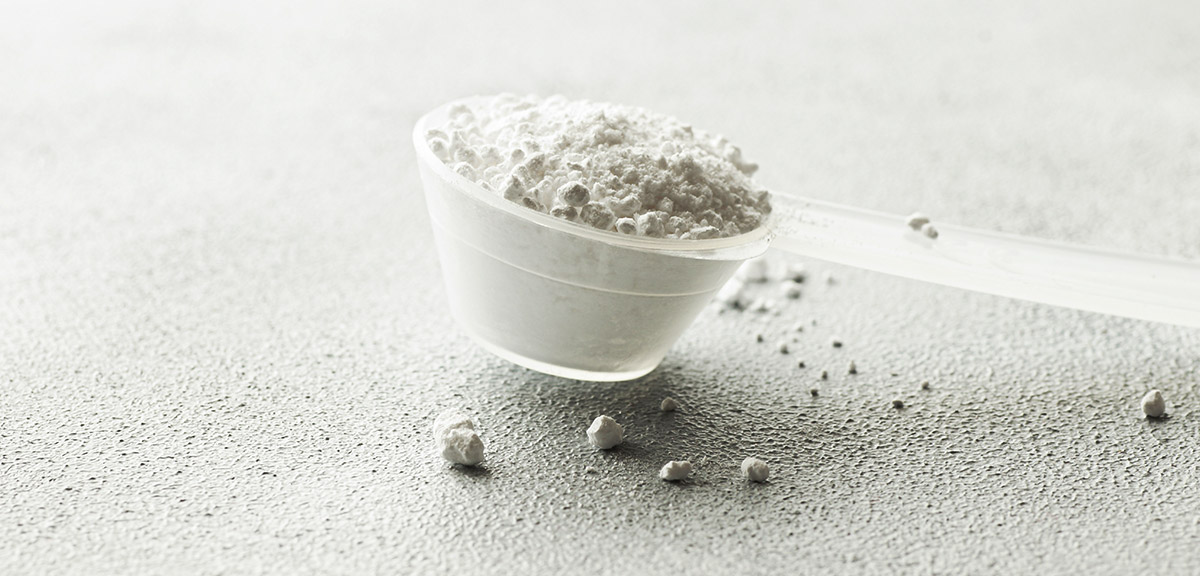
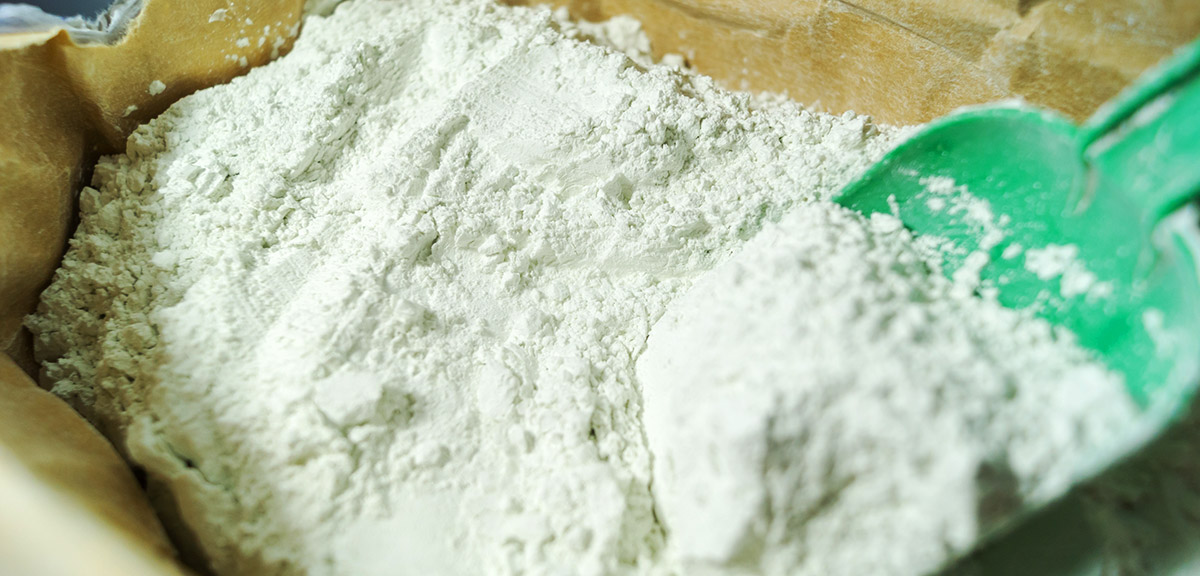
Gypsum (calcium sulfate dihydrate) is a natural mineral found in sedimentary rocks near ancient seas, thermal springs, and volcanic vapors. Since ancient times, it has been used as a construction material (and not only).

It is generally extracted from open-pit quarries or underground mines in varying sizes. Depending on the impurities contained within it, it can appear in different colors, ranging from transparent white to brownish-yellow.

Gypsum Dryer: What It Is and What It Is Used For

The gypsum dryer, also called a “rotary dryer,” is a machine used to reduce the moisture content present in the mineral during the gypsum processing and production stages.

Thanks to important collaborations with major companies in the mining and chemical industries, RP Engineering has developed extensive experience in the production of high-capacity and highly durable dryer systems and lines, ideal for gypsum drying.

The drying process is essential to improve the quality, durability, and usability of the final product.

essiccatore gesso

Gypsum Dryer: How It Works

As we will explain in more detail later, gypsum is used in many sectors and for a wide variety of applications. Depending on its intended use, it requires different drying conditions.

Once extracted from quarries or mines, the mineral undergoes specific treatments.

The main thermal treatments for gypsum are:

  • Drying
  • Calcination

Drying

Drying is the process used to remove surface moisture.

Calcination

Calcination involves heating gypsum to eliminate part of its water content and transform it into hemihydrate. Generally, this process takes place at temperatures between 150° and 165°C.

Gypsum Dryer: How the Process Takes Place

Gypsum drying takes place inside rotary drum dryers.

  1. During the drying process, gypsum is transported by the conveyor into the feeding hopper connected to the drying drum
  2. The wet gypsum enters the drying drum and comes into contact with the hot air flow
  3. The lifting blades and the rotary movement of the plant move the gypsum particles through the airflow while the material rolls through the drum

Thanks to this rotating action, all gypsum particles are evenly and properly dried.

Gypsum Dryer: Features and Functions

Since gypsum, depending on its final application, must maintain a specific moisture level, drying machinery must be designed to operate with different settings according to the specific requirements.

The two main parameters to consider are:

  • Airflow and temperature control during drying
  • Drying time
essiccatore gesso

Gypsum Dryer: Advantages of the Rotary Dryer

As mentioned earlier, rotary dryers are the ideal machines for gypsum drying. These machines offer several advantages.

  • Excellent quality performance. Rotary dryers feature a highly efficient moisture removal technique that guarantees an optimal final product
  • Automated handling of bulk materials, even in large quantities
  • Uniform drying. The movement inside a rotary dryer distributes heat and airflow evenly, ensuring homogeneous drying and, consequently, high-quality gypsum
  • Customization and control of temperature and drying parameters, allowing the machine to be configured according to the different requirements of gypsum applications
  • Rotary dryers are highly robust and capable of handling gypsum abrasiveness without failures or wear-related damage
  • Low emissions. Rotary dryers are highly energy efficient

Uses of Gypsum

Gypsum is an industrial and construction material widely used for various purposes. Now that we have seen how the drying process removes moisture from gypsum, let us discover its many applications.

Construction Industry

Gypsum is widely used in the building and construction sector. Here are some of its main applications:

  • Production of drywall/plasterboard panels for building walls and ceilings
  • Manufacture of various construction materials
  • Cement retarder
  • Construction of soundproofing walls and partitions

Pharmaceutical Industry

Being rich in calcium, gypsum is often used in the production of health supplements. Furthermore, in the pharmaceutical industry, it is frequently included among active pharmaceutical ingredients, such as paracetamol, ibuprofen, and others.

Food Industry

Gypsum is also commonly found in various food products, such as flour, ice cream, and confectionery products. It is also frequently present in canned products such as fruit and vegetables.

Agricultural Sector

An excellent source of calcium and sulfur, gypsum is also widely used in agriculture. Mixed into fertilizers, it is used to:

  • Improve soil structure and quality
  • Prevent soil erosion
  • Enhance soil fertility
  • Ensure proper nutrient distribution
  • Reduce the development of molds and bacteria
essiccatore gesso

Want to Install a Gypsum Dryer? Rely on RP Engineering

Gypsum dryers remove the moisture contained in the mineral to improve its durability and operational efficiency across its various fields of application.

For more than 25 years, RP Engineering has been designing, manufacturing, and installing drying systems for various materials. Over the years, the company has established important partnerships with leading industries in the mining and chemical sectors. This, combined with its extensive experience, has enabled RP Engineering to design and manufacture crushing machines for inert materials, such as calcium carbonate, as well as gypsum drying systems.

Do you work in the chemical or mining industry and want to install a gypsum drying machine? Contact RP Engineering by filling out the dedicated contact form.

RP Engineering serves customers worldwide and stands out for offering customized solutions, manufacturing machinery configured according to the customer’s production line and logistics.

Its service is complete and “turnkey”: a team of specialized technicians is always available to provide pre-sales and after-sales support.

Read our latest news
Woody Biomass Drying Plants: Types and Operation
Woody Biomass Drying Plants: Types and Operation Woody biomass drying plants are machines designed and developed to dry wood-based materials using low-temperature thermal sources. These systems make...
Woody Biomass: What You Need to Know About This Important Renewable Energy Source
Woody Biomass: What You Need to Know About This Important Renewable Energy Source The dryers designed and manufactured by RP Engineering are suitable for drying a wide range of materials of various...
Storage System Design: Tanks and Silos
Storage System Design: Tanks and Silos RP Engineering specialises in the construction of industrial drying plants. In particular, the company focuses on the design, manufacturing, and installation of...
69