
Call Us
Email address
Address location
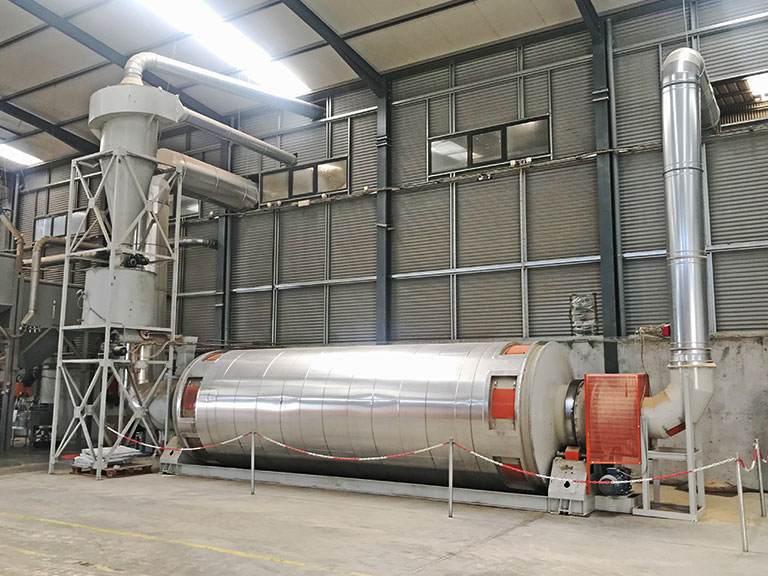
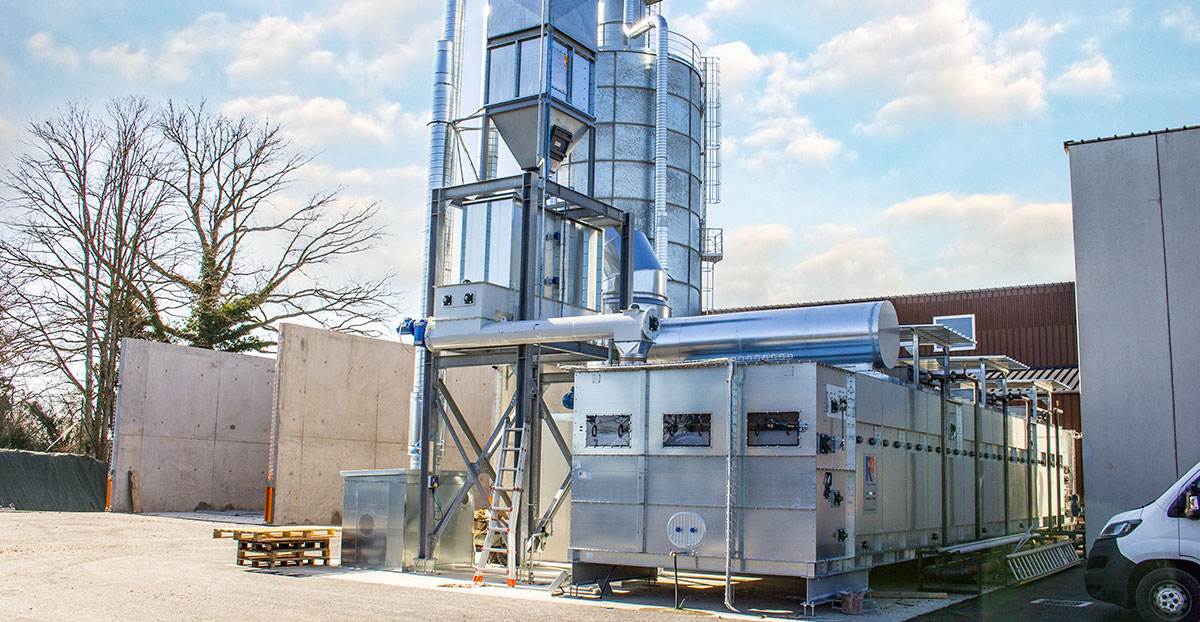
The dryers designed and manufactured by RP Engineering are suitable for drying various biologically derived materials, such as biomass. These are industrial systems customized according to the specific production requirements of each individual client and designed to guarantee maximum efficiency and quality.
In this article, we will take a detailed look at what biomass is and how it is used for energy production.
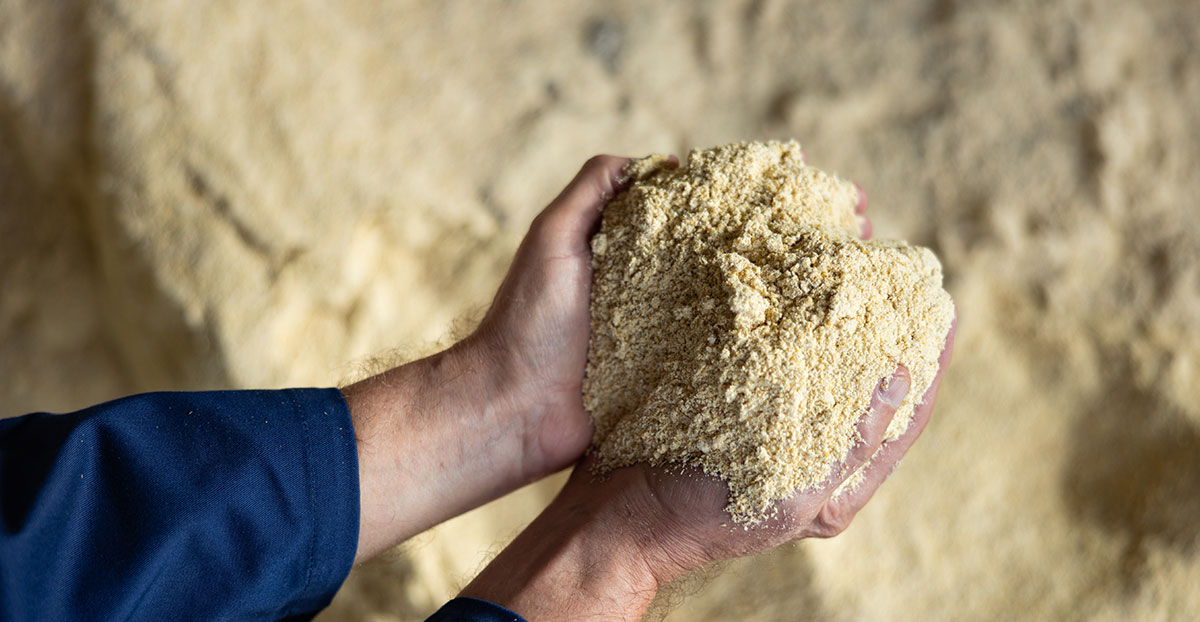
Biomass consists of organic material derived from plant and animal waste that has not undergone any fossilization process. When properly treated and processed, biomass can be used as biofuel. It therefore represents a source of green energy.
The Decree of the Ministry of Agricultural and Forestry Policies (Ministerial Decree 11/09/1999 no. 401) defines biomass as: “the biodegradable fraction of products, waste, and residues of biological origin from agriculture (including plant and animal substances), forestry and related industries, including fisheries and aquaculture, grass cuttings and pruning from public and private green areas, as well as the biodegradable part of industrial and urban waste”.
Based on their origin, we can distinguish between different types of biomass.
It is also possible to classify biomass according to its physical state. We can therefore distinguish between:
As already mentioned, biomass is considered a renewable energy source because it creates a zero-emission cycle. During the combustion process, biomass releases carbon dioxide, which is then reabsorbed by plants during their growth phase.
Moreover, biomass as an energy source is highly versatile. Biomass can be used to produce heat, fuel, and electricity.
By reusing organic waste products, biomass energy represents a renewable and zero-emission energy source.
In recent years, there has been a significant increase in the use of biomass as fuel. Organic materials such as wood, pellets, straw, and agricultural residues can in fact be burned to produce heat or generate electricity.
As a renewable energy source, biomass creates a balanced carbon emission cycle when burned for heating purposes.
There is a major difference between the traditional use of biomass — namely the simple combustion of wood for heating through stoves and fireplaces — and modern use, which instead involves the dedicated transformation and processing of biomass for industrial applications, thereby maximizing efficiency and sustainability.
Nowadays, wood pellets, an economical and efficient material, are increasingly used for domestic heating.
The greatest advantage of biomass is that it is a clean energy source with a very low environmental impact. However, the advantages do not stop there. Let us look at all the benefits of biomass.
Over the last 10 years, biomass has become the third fastest-growing renewable energy source, after wind and solar power. Processing biomass to obtain fuel is therefore an excellent opportunity and a valuable investment.
RP Engineering specializes in the design and construction of systems for drying biomass and other products as well.
Would you like to install a drying system? Contact RP Engineering by filling out the dedicated contact form. For more than 25 years, we have specialized in building modular machines that operate at low temperatures using thermal energy. All our drying systems offer process automation and ensure a high-quality final product.
We stand out by offering customized solutions designed to adapt to the client’s specific requirements, logistics, and production line within their business operations. We offer our clients a complete service that also includes after-sales support.