
RP Engineering

Impianti di essiccazione CSS

CSS Drying Plants to Transform Waste into Fuel

CSS drying plants are used to transform specific types of waste through a precise process, making them suitable for use as fuel. When treated according to strict regulations, CSS (Solid Recovered Fuel) can become a valid and far less polluting alternative to traditional fossil fuels, thus making a positive contribution to the national economy in terms of thermal and electrical energy production.

What is CSS?

CSS, which stands for Solid Recovered Fuel, is a fuel obtained from the dry fraction of waste classified as “non-hazardous” and no longer suitable for recycling.

Examples of CSS

As explained above, CSS is obtained from the dry fraction of non-hazardous waste that cannot be recycled. CSS includes:

  • fibre waste from the paper and pulp industry
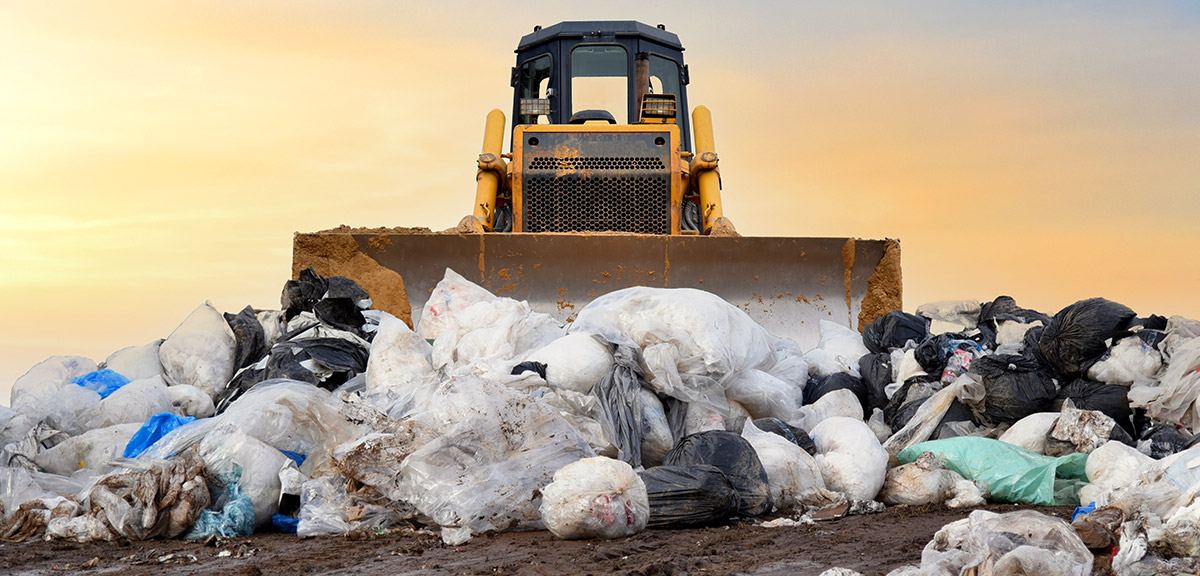
  • municipal waste otherwise destined for landfill
  • industrial waste
  • commercial waste
  • waste from distribution, construction, and demolition activities
  • residues discarded from recycling processes
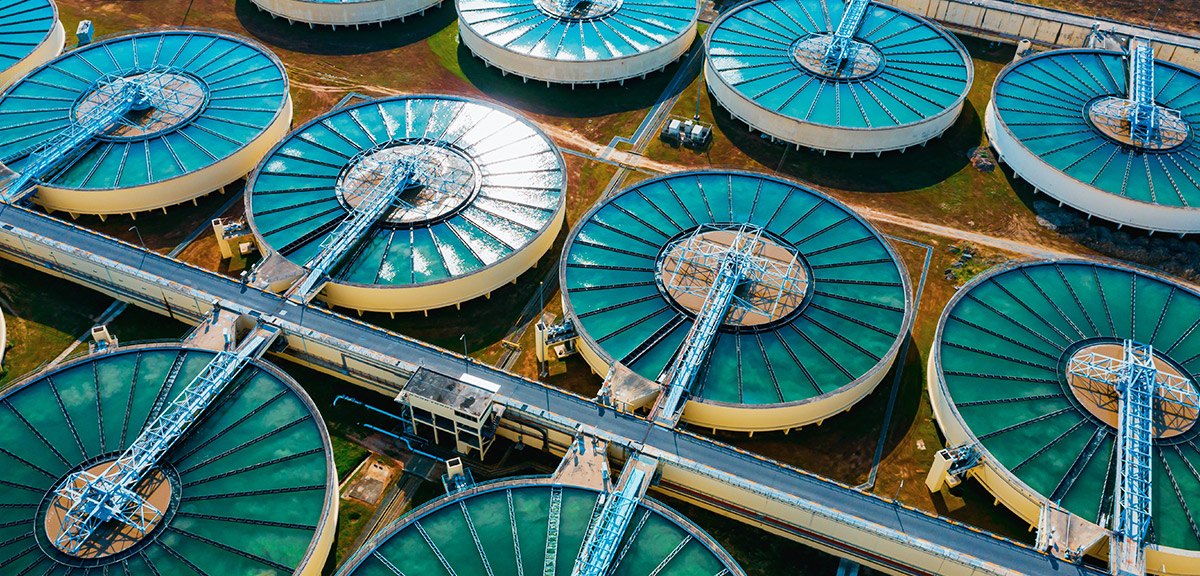
  • sludge from civil and industrial wastewater treatment
  • biomass waste

CSS Drying Plants: RP Engineering Solutions

RP Engineering offers a wide range of technologies for CSS drying plants:

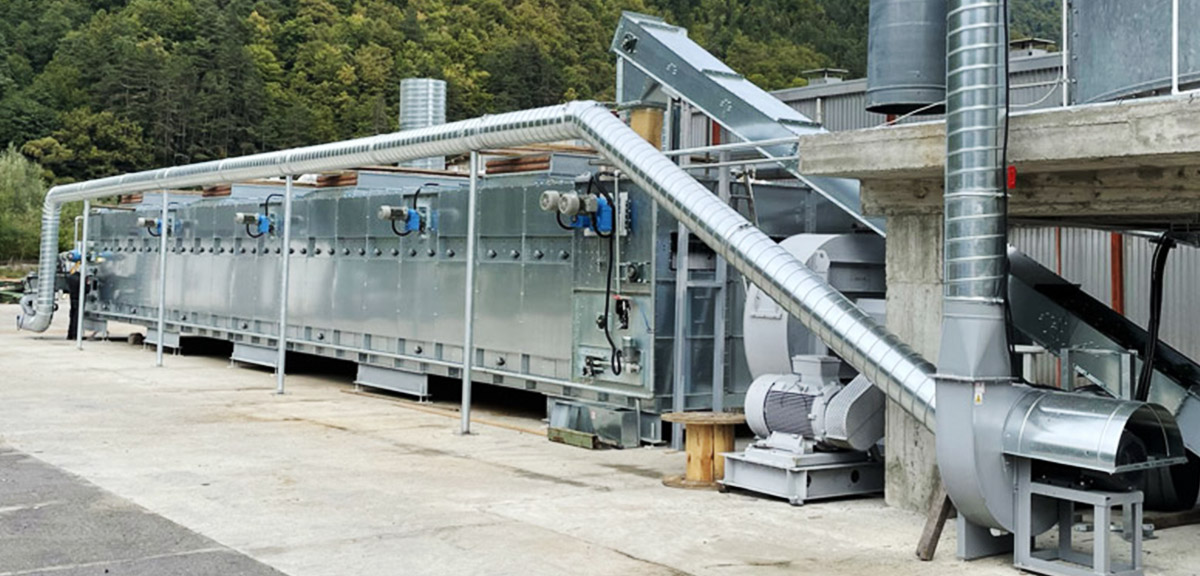
  • belt drying systems
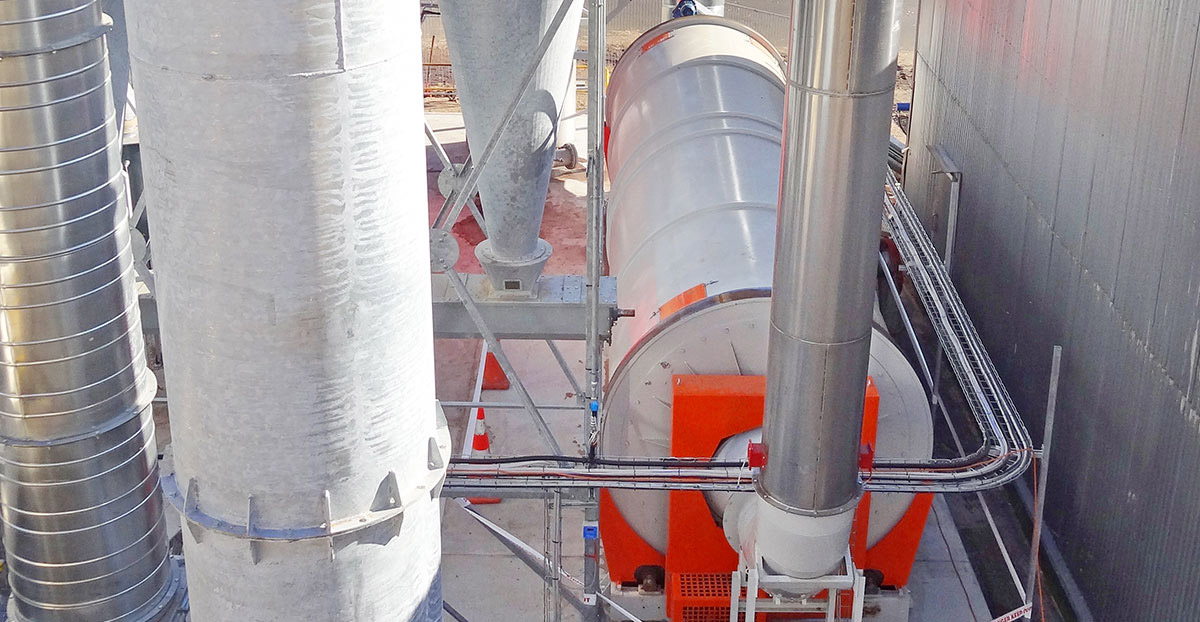
  • rotary drum drying systems

Advantages of Belt Dryers

Continuous belt dryers operate at low temperatures (between 40 and 120 ℃) and allow uniform distribution of the material to be dried.

Slow, low-temperature drying guarantees the high quality of the dried product.

From a technical and technological standpoint, the drying plants designed and manufactured by RP Engineering operate automatically and are equipped with sensors that detect moisture levels. They also guarantee production efficiency and long-term durability.

Rotary Drum Drying Plants

Rotary drum drying plants are suitable for drying highly moist materials. Inside the machinery, the rotational movement pushes the wet material through the machine, distributing it evenly.

The product to be dried then comes into contact with the hot air produced by the burner; afterwards, it undergoes a triple pass inside the rotary drum, where the dehydration process takes place.

CSS Drying Plants: Process Stages

The process used to obtain CSS involves several stages, depending on the starting material and the type of fuel required.

Below are the main stages of the process:

  1. shredding to reduce the size of the material, making it uniform and suitable for the drying process
  2. ferrous metal separation to remove any metal parts
  3. dehumidification
  4. removal of non-ferrous metals
  5. removal of inert materials (sand, stones, glass, etc.)
  6. drying
Impianti di essiccazione CSS

CSS Drying Plants: How the Drying Process Works

In belt dryers, the material is moved through the dryer by a conveyor belt, while hot air extracts the water vapour contained within the material, thus achieving the drying process.

As previously explained, once the material to be dried has been selected, separated from other materials, and shredded into suitable and homogeneous sizes, the operating process consists of the following stages in detail:

  1. The dryable waste is evenly distributed onto the conveyor belt of the CSS drying plant
  2. Thanks to the movement of the conveyor belt, the waste passes through the drying area, where temperature and speed are adjusted according to the amount of water contained in the material
  3. The hot air circulating inside the plant is distributed evenly, moving from bottom to top
  4. Once drying is complete, the waste is discharged from the plant and collected in storage tanks or dedicated silos, depending on its final destination

CSS Drying Plants to Convert Waste into Fuel

As explained from the beginning, when treated according to specific and strict regulations, CSS can become an environmentally friendly fuel and is certainly less polluting than fossil fuels such as coal.

Since CSS has a very high calorific value, it is often recommended for energy conversion applications in large industrial plants.

Advantages of CSS as Fuel

Using CSS as a fuel source provides enormous environmental and economic benefits. Specifically:

  • reduction of non-recyclable waste sent to landfill
  • reduction of CO2 emissions into the atmosphere
  • reduced dependence on natural resources and imported fossil fuels
  • increased energy diversification
  • increased use of fuels derived from waste
  • optimisation of energy recovery
  • active support in the process of transforming waste into resources, one of the primary goals of the circular economy


In addition, the lower content of inert fractions and moisture, combined with more advantageous construction features, guarantees CSS a product with improved thermal performance.

Who Can Use CSS as Fuel?

In the form of electrical and/or thermal energy, CSS is used in the following facilities:

  • cement plants
  • waste incineration plants
  • metallurgical plants
  • steelworks
  • thermoelectric power plants
  • district heating thermal plants
  • gasification plants
  • lime production plants

Plants that use CSS as fuel may be existing facilities that also use traditional fuels, or plants specifically dedicated to CSS. In both cases, these facilities feature combustion and flue gas treatment technologies that comply with current environmental regulations.

Want to Install a CSS Drying Plant to Produce Green Fuel? Trust RP Engineering

In the field of waste treatment, CSS represents an innovative and sustainable solution that demonstrates a strong commitment to the circular economy and energy recovery.

If you manage a steelworks, cement plant, incineration plant, or any company that can use CSS as a fuel source, now is the perfect time to invest your resources in the construction of a CSS drying plant.

With more than 25 years of experience and international clients, RP Engineering is specialised in the design, manufacturing, and installation of drying plants for various materials using low-temperature thermal energy.

Contact RP Engineering by filling out the dedicated contact form.

Based on the specific needs of each customer, its engineers are able to design customised solutions, creating machinery and systems suitable for every specific production and logistics line.

RP Engineering guarantees a complete “turnkey” service, which also includes pre-sales and after-sales support.

Read our latest news
Woody Biomass Drying Plants: Types and Operation
Woody Biomass Drying Plants: Types and Operation Woody biomass drying plants are machines designed and developed to dry wood-based materials using low-temperature thermal sources. These systems make...
Woody Biomass: What You Need to Know About This Important Renewable Energy Source
Woody Biomass: What You Need to Know About This Important Renewable Energy Source The dryers designed and manufactured by RP Engineering are suitable for drying a wide range of materials of various...
Storage System Design: Tanks and Silos
Storage System Design: Tanks and Silos RP Engineering specialises in the construction of industrial drying plants. In particular, the company focuses on the design, manufacturing, and installation of...
63