
RP Engineering

Impianto essiccazione alghe

Algae Drying Plant: Process and Uses of Dried Algae in Cosmetics

An algae drying plant is a machine used to dry algae (plant-based material) by exploiting low temperatures. This type of system allows algae to undergo the drying process so that they can later be used in the cosmetics industry as well as in the food sector.
In this article, we will look at how algae drying systems work, their advantages, and the main uses of algae once dried.

Algae Drying Plant: What It Is

Algae drying systems are continuous belt machines whose main operating principle is to distribute the material evenly across the mesh. These systems operate at temperatures between 40 and 120 ℃.

In the belt dryers designed and manufactured by RP Engineering, the airflow moves from top to bottom. Initially, the air passes through the heat exchangers located at the top of the machine and then flows through the material.
The machine belt, made of polyester and characterized by a very tight yet highly breathable weave, filters the airflow by retaining dust particles, while a centrifugal fan extracts the process air containing vapor and expels it into the atmosphere.

Algae Drying Plant: How the Process Works

The algae, placed on the belt, are moved inside the dryer. While the material is transported along the conveyor belt, the hot air extracts the water vapor from the material, thus achieving the drying process.

Below are all the stages of the operating process in detail.

  • The algae are placed on the conveyor belt of the algae dryer, ensuring a stacking thickness of no more than 10–20 cm
  • The algae pass through the drying zone, set at variable temperatures and speeds depending on the water content within the material
  • Inside the system, hot air is distributed evenly. It naturally moves from bottom to top, passing through every layer of the belt. Thanks also to the movement and rolling of the algae, they come into complete contact with the hot air
  • Once dried, the algae are discharged from the system

Algae Drying Plant: All the Advantages

The RP Engineering belt dryers used for algae drying offer numerous advantages.

  • Quality of the dried product. Low temperatures and slow drying preserve the product’s characteristics: the algae remain bright and retain a vivid, intense color
  • High capacity. The algae dryer guarantees continuous production and rapid dehydration speed, resulting in high productivity
  • The algae drying systems designed by RP Engineering operate automatically; moreover, they are equipped with sensors that detect humidity levels and software that manages the entire process
  • Low temperatures. Algae dryers use low-temperature thermal energy (between 40 and 120 ℃)
  • Low emissions. The very tight weave of the conveyor belt filters even the finest dust particles. This ensures low atmospheric emissions (below 20 mg/m3, in compliance with European Community regulations concerning atmospheric emissions)

Uses of Dried Algae

Algae are unicellular and multicellular organisms essential for life in aquatic environments.

Both fresh and dried algae are rich in valuable nutrients: vitamins, mineral salts, dietary fiber, essential amino acids, and omega-3 fatty acids, just to mention the most important ones.

Found in nature or cultivated in ponds or photobioreactors, algae are separated from the cultivation medium during harvesting and then processed into a high-quality algae concentrate.
Thanks to their beneficial and valuable properties, algae are used as raw materials in various sectors:

  • Food industry
  • Cosmetics industry
  • Pharmaceutical industry
  • Renewable energy sector (biofuels)
alghe per cosmetica

Dried Algae in Cosmetics

In this article, we will focus specifically on the use of algae in the cosmetics sector. We will examine why algae are beneficial, which properties are exploited in this context, and how they are used.

Properties of Dried Algae: Why They Are Sought After by the Cosmetics Industry

In cosmetics, marine algae are highly valued ingredients due to their many properties. Naturally rich in minerals (sodium, calcium, magnesium, iron, phosphorus, copper) and skin-compatible vitamins (such as vitamins A, E, and B1), they represent a valuable sustainable and renewable source for producing compounds useful in various application areas.
In cosmetics, compounds derived from algae can be used both as active ingredients and as excipients.

Below are the main cosmetic properties of algae.

  • Antioxidant
  • Moisturizing
  • Purifying
  • Sebum-regulating
  • Detoxifying
  • Anti-inflammatory
  • Slimming
  • Elasticizing
  • Photoprotective
  • Brightening
  • Depigmenting

Main Uses of Dried Algae Powder in Cosmetics

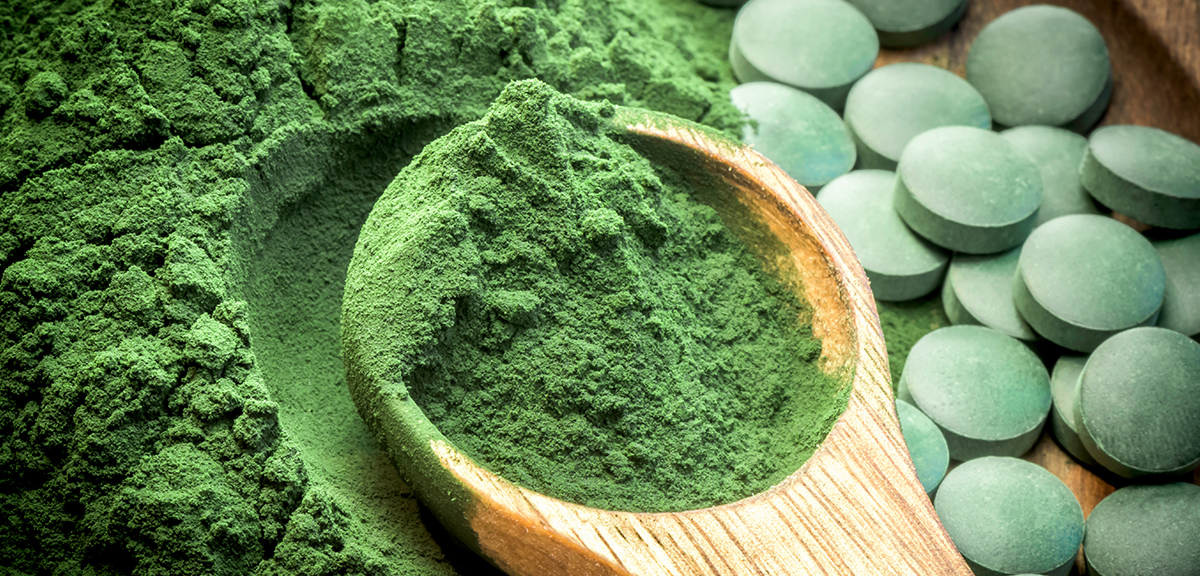
In cosmetics, dried algae are used in flakes and powder form as raw materials for various preparations.

Generally, dried algae are used externally by adding them in a concentration of 1% to products for external use such as Aloe vera gel, various hydrosols, vegetable oils and butters, and different types of clay. In this way, cosmetic preparations useful for the following treatments can be obtained.

  • Mask. Algae extract (1%) is included in cosmetic preparations for daily anti-aging treatments. Add algae powder to hydrosols, water, gel, or vegetable oils, and apply the resulting mixture to the skin of the face and neck using circular movements to achieve an exfoliating effect during application. Leave on for 15 to 30 minutes, then remove the product by rinsing with lukewarm water. To intensify the elasticizing and brightening effect, add 1 drop of liquid vitamin E to the mixture.
  • Scrub. Mix algae powder with vegetable oil until obtaining a compact mixture. Apply to damp body skin by rubbing vigorously with circular movements. Then rinse thoroughly with water.
  • Algae Bath. Fill the bathtub with hot water and add 2 to 4 tablespoons of algae powder. Stay immersed for at least half an hour and then rinse.
  • Firming Pack. Create a creamy mixture by combining algae powder with gel or hydrosol. Spread the mixture on the areas to be treated and leave on for 15–20 minutes. Finally, rinse thoroughly with water. For an anti-cellulite effect, add 2 drops of grapefruit essential oil and 2 drops of peppermint essential oil to the mixture.
essiccazione alghe

Want to Install an Algae Drying Plant? Rely on RP Engineering

RP Engineering is a company specialized in the design, construction, and installation of drying systems for various materials.

If you own an algae cultivation business or operate in the cosmetics or pharmaceutical industry and wish to install an algae drying plant in your company, contact RP Engineering by filling out the dedicated contact form. With more than 25 years of experience, we specialize in the design and construction of modular machines that exploit low-temperature thermal energy.

RP Engineering stands out for offering customized solutions by creating machinery adapted to the client’s production line and logistics. Furthermore, RP Engineering offers a “turnkey” service, providing clients with a team of specialized technicians for pre-sales and after-sales support.

Read our latest news
Woody Biomass Drying Plants: Types and Operation
Woody Biomass Drying Plants: Types and Operation Woody biomass drying plants are machines designed and developed to dry wood-based materials using low-temperature thermal sources. These systems make...
Woody Biomass: What You Need to Know About This Important Renewable Energy Source
Woody Biomass: What You Need to Know About This Important Renewable Energy Source The dryers designed and manufactured by RP Engineering are suitable for drying a wide range of materials of various...
Storage System Design: Tanks and Silos
Storage System Design: Tanks and Silos RP Engineering specialises in the construction of industrial drying plants. In particular, the company focuses on the design, manufacturing, and installation of...
67